
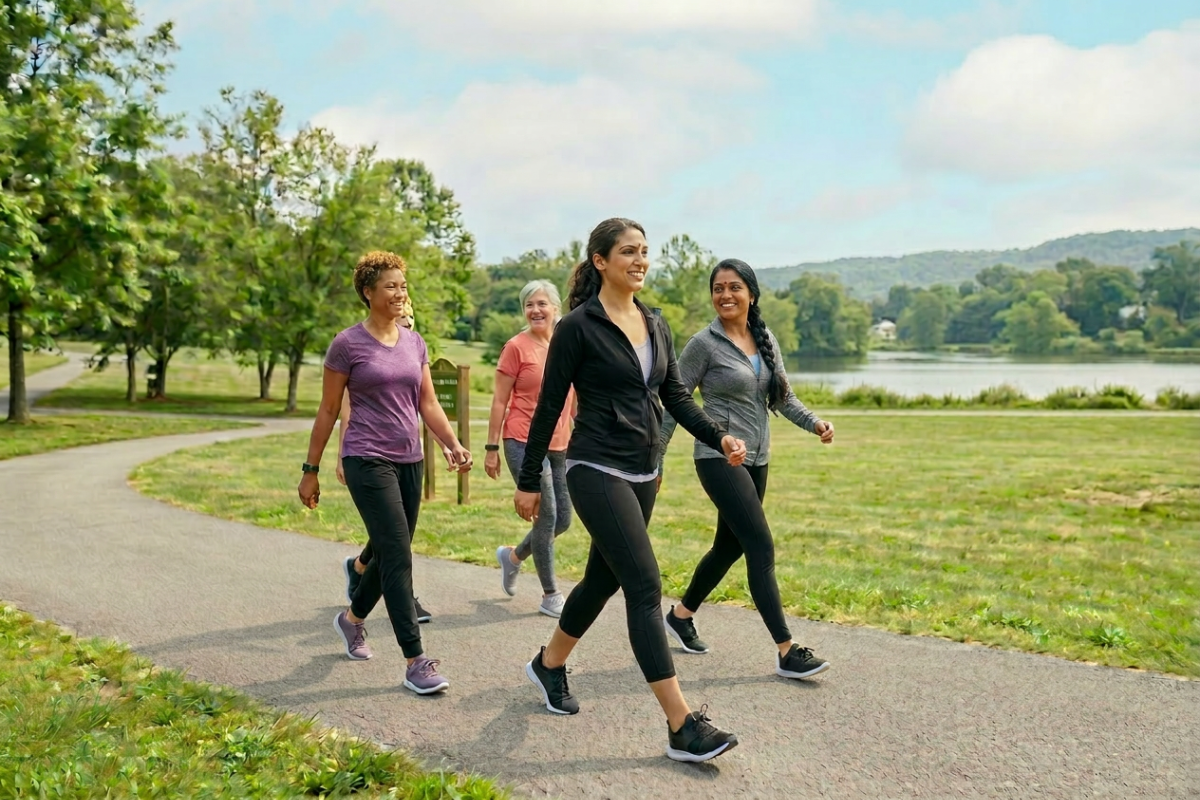
Improving cholesterol is important not only for heart health, but also for supporting healthy blood sugar, reducing inflammation, and promoting overall wellness. Notably, these benefits can be achieved without strenuous or high-intensity exercise (1).
What Movement Does to Your Lipids
Lipids are fats in your blood that your body uses for energy, hormones, and cell health. Your lipid panel includes three main components: HDL, LDL, and triglycerides—each playing a different role in how your body moves, stores, and clears fats.
Consistent physical activity can:
- Increase HDL (“happy” cholesterol): Helps carry extra cholesterol from your blood to the liver for removal (1).
- Decrease LDL (“lousy” cholesterol): Reduces cholesterol that can build up in arteries and cause heart disease (1).
- Lower triglycerides: Reduces blood fats that rise with poor diet or insulin resistance (1).
How Movement Helps Your Body Move Lipids
Triglycerides: When you move—walking, running, or lifting weights—your muscles need more energy. Your body pulls fuel from the bloodstream, especially triglycerides, and from fat stored in your tissues. Both are broken down into fatty acids that muscles can use for energy (4–6).
An enzyme called lipoprotein lipase (LPL) sits along blood vessel walls and “cuts” triglycerides into fatty acids for muscle use. Exercise increases LPL activity, helping more triglycerides be cleared from the blood and used for fuel. Over time, this supports healthier triglyceride levels and lipid balance (5–7).
HDL & LDL:
HDL and LDL are carriers that transport cholesterol through the bloodstream since cholesterol cannot travel alone.
- LDL delivers cholesterol to tissues; excess LDL can stick to artery walls.
- HDL carries extra cholesterol back to the liver for removal.
Exercise changes how the liver handles cholesterol. Physical activity increases the number and activity of LDL receptors on liver cells. These receptors pull LDL out of the bloodstream, reducing circulation and preventing buildup on artery walls (4–6).
At the same time, exercise stimulates HDL production and function. HDL particles travel through the bloodstream, collect excess cholesterol from tissues and arteries, and return it to the liver—a process called reverse cholesterol transport (8–9).
Together, these effects lower harmful LDL, raise protective HDL, and keep cholesterol moving efficiently (12–14).
Aerobic vs. Strength Exercise: What’s the Difference?
Both types of exercise are beneficial, with slightly different effects (15–17).
Aerobic exercise (brisk walking, jogging, swimming, cycling) is especially effective at:
- Raising HDL
- Lower triglycerides
- Improving fat clearance from the blood (16–22)
Strength (resistance) training (weights, resistance bands) helps:
- Lower LDL
- Lower triglycerides
- Improve insulin sensitivity, supporting healthier lipid levels (16, 25–28)
Doing both together provides the strongest improvements in cholesterol balance and heart health. A randomized controlled trial showed that combining aerobic and resistance exercise significantly raised HDL and lowered LDL and triglycerides in people with metabolic syndrome and type 2 diabetes (1).
Why This Helps Metabolic Health
Improved lipid profiles support:
- Enhanced insulin sensitivity
- Lower blood pressure
- Reduced inflammation
- Better glucose control
Physical activity also boosts lipoprotein lipase activity, helping clear triglycerides and improve insulin function, especially in people with diabetes (2)
Small is Better than Nothing
You don’t need a gym or special equipment. Simple movements—like 10-minute post-meal walks, gentle stretching, or dancing at home—can:
- Stimulate muscle uptake of glucose
- Regulate post-meal blood sugar
- Improve lipid profiles
Even low-to-moderate intensity activity can reduce LDL and triglycerides in people with type 2 diabetes and enhance medication effectiveness (3).
Sending Health Your Way!
The Tula Clinical Team
Reviewed by:
Aubree RN, BSN
Austin MS, RDN, CSR, LDN, CD
Tula Takeaways |
|---|
| 1. Movement is medicine. Every step—whether walking to the mailbox or doing wall push-ups—supports cholesterol and blood sugar regulation. |
| 2. Your muscles burn triglycerides for fuel. Regular movement also boosts enzymes that clear fats from your blood, lowering overall levels. |
| 3. Start small. Stay consistent and let progress build over time. |


The LIVE TULA blog is informational and not medical advice. Always consult your doctor for health concerns. LIVE TULA doesn’t endorse specific tests, products, or procedures. Use the information at your own risk and check the last update date. Consult your healthcare provider for personalized advice.